Venting outside vs a fume filter: which should you use
Quick answer
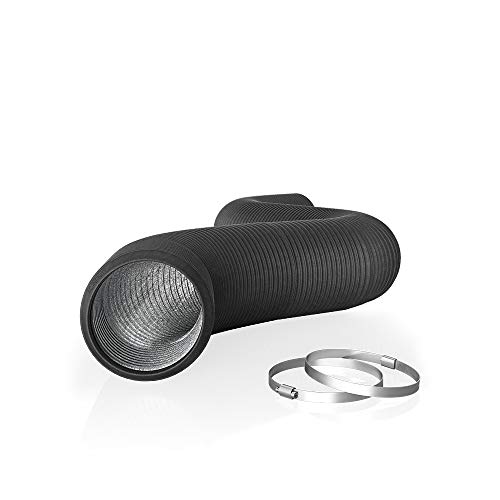
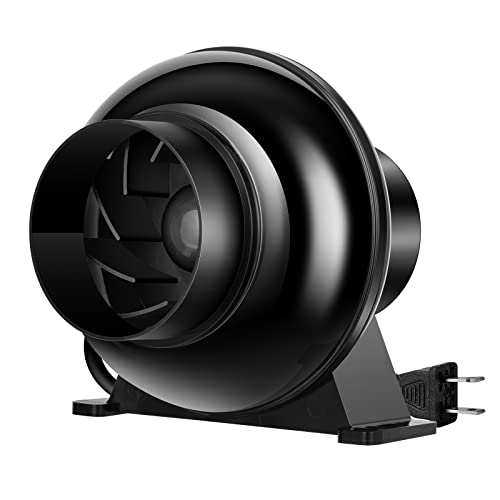
Vent your laser cutter outside through ducting, such as AC Infinity 4 inch aluminum ducting ($12.99) paired with an inline exhaust fan such as the Voltset 280 CFM fan ($44.99), whenever a window, wall pass-through or dryer vent makes that physically possible, because ducted exhaust removes fumes completely instead of trying to scrub them. Use a carbon filter unit, such as a fume extractor like the KQZ 150W unit ($99.00), only as a fallback for an apartment or shared space where outside venting is not allowed, and replace the filter media on a fixed schedule rather than waiting for a smell, since a saturated filter stops removing fumes with no warning.

Voltset 4 Inch Duct Fan 280 CFM Inline Ventilation Exhaust Fan
anyone with access to a window, wall or dryer vent; the safer default whenever it is possible
| Venting outside | Carbon filter | |
|---|---|---|
| Fume removal | Complete, fumes leave the space entirely | Partial, and capacity drops as the filter loads |
| Warning when it stops working | Fan failure is obvious immediately | None, filter can saturate silently |
| Performance under heavy cutting | Unaffected by cutting volume | Drops fast under sustained heavy use |
| Setup requirement | Needs a window, wall or vent access | Works in a sealed room with no outside access |
| Ongoing cost | Electricity for the fan only | Electricity plus replacement filter media |
| Best use case | Any space with outside access | Apartments and rooms with no venting option |
Why is venting outside so much better than filtering?
Ducted exhaust physically removes the fume-laden air from the room and expels it outside, so there is nothing left to accumulate. A carbon filter instead pulls that same air through an activated carbon and pre-filter stack and recirculates the cleaned air back into the room, which only works as well as the filter media is still capable of adsorbing contaminants. As that media loads up with use, its capture rate declines, meaning a filter that worked well on day one can be doing a much worse job weeks later while looking and smelling the same from the outside.
How do I know when a carbon filter is actually exhausted?
This is the core weakness of filtering: there is usually no clear warning. A saturated carbon filter does not always announce itself with a strong smell, and by the time you notice odor breaking through, the filter has likely been under-performing for a while already. The only reliable approach is replacing filter media on a fixed schedule based on your cutting volume, rather than waiting for a sensory cue that may arrive too late or not at all.
Can I vent a laser cutter through a dryer vent?
Often yes, a dryer vent or similar wall port is a practical way to route exhaust outside without cutting a new hole, provided the ducting size matches and the fan has enough static pressure to push air through the existing run. Flexible aluminum ducting connects easily to most standard vent hardware, and an inline fan rated in cubic feet per minute for your duct length keeps airflow strong enough to actually clear fumes rather than just stirring them around the room.
Does a carbon filter work at all during heavy cutting sessions?
It works, but its effective capacity falls fast under heavy or sustained cutting compared to light, occasional engraving. A filter sized for occasional light use can be overwhelmed quickly by a long cutting session that produces a much higher volume of smoke and particulate. This is exactly why filtering should be treated as a fallback rather than an equal substitute for venting: it is at its weakest during exactly the kind of use that produces the most fumes.
Carbon filter (recirculating)

KQZ 150W Solder Fume Extractor for Laser Engraver, Welding and So on (Filter, plastic, Filter)
apartments, dorms and shared spaces where outside venting is not allowed
Both sides of this comparison
- AC Infinity
AC Infinity Flexible 4-Inch Aluminum Ducting, 8-Feet Long
$12.99 Check pricePrices change often - VIVOSUN
VIVOSUN 4 Inch Flex Aluminum Ducting, 8 Ft Air Duct with 2 Clamps, Silver
$13.99 Check pricePrices change often - VIVOSUN
VIVOSUN P4 4" Inline Fan &Speed Control 130 CFM Exhaust Fan for Home
$26.39 Check pricePrices change often - VIVOSUN
VIVOSUN D4 4" AC Motor Inline Fan, 195 CFM for Ventilation
$27.89 Check pricePrices change often - Voltset
Voltset 4 Inch Duct Fan 280 CFM Inline Ventilation Exhaust Fan
$44.99 Check pricePrices change often



Safety
Common questions
Is a carbon filter as safe as venting outside?
No. A carbon filter reduces fume concentration in recirculated air but never removes fumes as completely as ducting them outside does, and its performance degrades as the filter media loads up, often without a clear warning sign. Venting outside should be the first choice whenever it is physically possible.
How often should I replace a carbon filter for a laser cutter?
Replace filter media on a fixed schedule based on how much cutting you actually do, rather than waiting until you notice a smell breaking through, since saturation often happens with no obvious warning. Check the manufacturer's guidance for your specific filter and cut it shorter if you cut heavily or frequently.
Can I vent a laser cutter through a window without permanent ducting?
Yes, a temporary window vent kit with flexible ducting works for occasional use, though a permanent wall pass-through gives a more secure seal and better airflow for regular cutting. Either approach still beats a filter-only setup for fume removal.
Why does filter performance drop during heavy cutting sessions specifically?
Heavy or sustained cutting produces a much higher volume of smoke and particulate than light engraving, and that higher load saturates the carbon media faster. A filter sized comfortably for occasional light use can be overwhelmed well before a long, heavy cutting session finishes.
What size duct and fan do I need to vent a laser cutter outside?
4 inch ducting paired with an inline fan rated for enough cubic feet per minute to overcome the length and any bends in your duct run is a common starting point for desktop laser cutters. Longer runs or more bends need a stronger fan to maintain the same effective airflow at the cutting head.