Resin use for a 28mm miniature
Quick answer
A 28mm miniature of roughly 3 mL uses about 3.9 mL of resin once supports and raft are included, which weighs close to 4 g. A one kilogram bottle yields around 233 of them.
The volume arithmetic is exact. Resin density of about 1.1 g/cm3 is a convention, since few vendors publish it.
| Bottle price (1 kg) | Cost per print | Prints per bottle |
|---|---|---|
| $18 | $0.08 | 233 |
| $25 | $0.11 | 233 |
| $30 | $0.13 | 233 |
| $35 | $0.15 | 233 |
| $45 | $0.19 | 233 |
Supports are not a rounding error
The 3 mL figure is the model alone. Printed at an angle on a support raft, which is how almost everything except a flat functional part is printed, supports commonly add 30 to 60 percent of the model volume. For a small heavily undercut figure they can exceed the model itself, which is why the 3.9 mL figure above assumes a middling 30 percent.
If you print directly on the plate with no supports, drop that allowance to nearly nothing. If you are printing miniatures at a steep angle with dense supports, assume the higher end and expect fewer prints per bottle than the table suggests.
Millilitres are not grams
Resin is sold by mass and slicers report volume, and the two differ by about ten percent. At a density near 1.1 g/cm3, the 3.9 mL this print needs weighs about 4 g, so a one kilogram bottle gives roughly 233 prints rather than the 256 you would get by treating millilitres as grams.
The same trap appears in pricing. Some vendors sell by the litre and some by the kilogram, so a one litre bottle holds about 1.1 kg and contains ten percent more material than a one kilogram bottle at the same price. Convert both to a price per kilogram before deciding which is cheaper.
Resin and handling supplies
- Supmedic
Supmedic Soft Max Medical Nitrile Exam Gloves Powder-Free Blue 100 Pcs (L)
$8.98 Check pricePrices change often - MED PRIDE
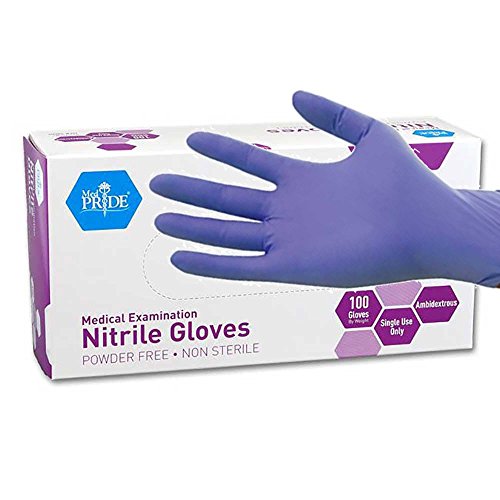
MedPride Powder-Free Nitrile Exam Gloves, Iris Blue, Medium, Box/100
$9.99 Check pricePrices change often


Safety
Common questions
How many 28mm miniatures can I print from one bottle?
Roughly 233 from a one kilogram bottle, assuming a 30 percent support allowance and no failures. Build in a failure rate if you are printing something tall or heavily undercut, since a print that fails at 80 percent height has consumed almost all of its resin and produced nothing.
Is a millilitre of resin a gram?
No, and the gap is about ten percent. Standard resin density is close to 1.1 g/cm3, so 100 mL weighs around 110 g. It matters when working out prints per bottle, because the bottle is sold by mass while the slicer reports volume, and treating them as equal overstates how far a bottle goes.
Does washing waste resin?
Some, and it is a real running cost that this figure does not include. Uncured resin carried into the isopropyl alcohol is resin you paid for and cannot recover, and the alcohol itself is consumed over time. A two stage wash, a dirty bath followed by a clean one, makes both the resin loss and the alcohol last noticeably longer.
What do I do with the used alcohol?
Never down a drain. The usual practice is to leave the contaminated alcohol in a clear container under sunlight or a UV lamp until the dissolved resin fully cures and settles out, then filter the solid, cure it hard, and dispose of it as solid waste. The alcohol left behind can often serve as a first wash again.