Best 3D printer resin
Quick answer
ANYCUBIC 405nm standard resin ($15.19, $15.19 per kilogram) is the cheapest reasonable starting bottle. Siraya Tech Fast ABS-Like Tough resin ($33.83, $33.83 per kilogram) costs more than double per kilogram but is built for functional parts that need to survive more than a display shelf.
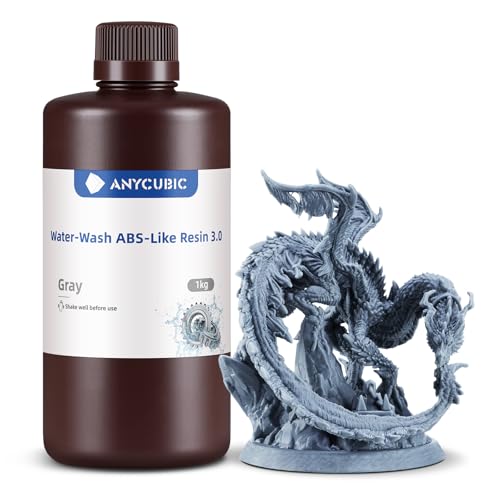
ANYCUBIC Water Washable ABS-Like Resin 3.0, 3D Printer Resin, High Toughness and High Precision, Easy to Post-Process, Low Odor, Wide Compatibility for All LCD 3D Printers (Gray, 1kg)
This resin is listed as high toughness and low odor, a reasonable middle ground for anyone who wants tougher parts than standard resin without paying premium prices yet.
The three tiers
Beginner: Best first resin
someone printing resin for the first time and dialing in exposure settings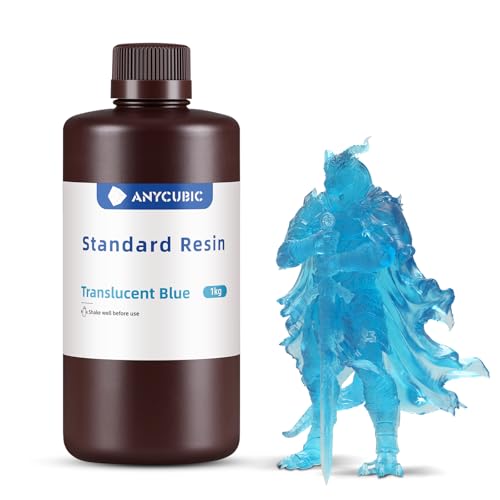
This standard 405nm resin is priced at $15.19 per kilogram, the cheapest bottle compared here, which matters because a first bottle often gets used up partly on failed prints while exposure time and lift speed are being tuned. The listing states high precision and quick curing, reasonable baseline properties for learning the resin printing workflow.
Not for: anyone printing functional parts that need to flex or resist repeated stress; standard resin is brittle by design and is best suited to miniatures and display models
Intermediate: Best value for tougher parts
a printer who wants parts that survive more handling than a standard resin miniature without paying for a premium engineering resinThis ABS-like resin is listed as high toughness with low odor and easier post-processing, at $18.99 per kilogram, a modest step up from standard resin. Low odor also matters in practice: even with good ventilation, a less pungent resin makes it easier to work near a print for exposure checks and post-processing.
Not for: anyone who only prints miniatures or display models with no functional load; standard resin is cheaper and does the same job for a part that only needs to look good on a shelf
Expert: Performance ceiling for functional parts
someone printing jigs, fixtures or parts that need to survive real mechanical stress, not just display handling- Expert pick
Siraya Tech Fast ABS-Like Tough 3D Printer Resin, Tough Navy Grey, 1kg
$33.83 Check pricePrices change often

Siraya Tech Fast is described as a tough ABS-like resin built specifically for functional parts, priced at $33.83 per kilogram, over double the cost of standard resin. That price reflects a resin engineered to resist cracking under load rather than one optimized purely for fine surface detail on miniatures.
Not for: a hobbyist printing miniatures, tabletop terrain or display pieces. Do not pay premium tough-resin prices for a part that will only ever sit on a shelf; standard or ABS-like resin at a lower price per kilogram gives the same visual result for that use.
| Resin | Type | Bottle | Price | Price per kg |
|---|---|---|---|---|
| ANYCUBIC 405nm standard resin | Standard | 1 kg | $15.19 | $15.19 |
| ANYCUBIC Water Washable ABS-Like Resin 3.0 | ABS-like tough | 1 kg | $18.99 | $18.99 |
| Siraya Tech Fast ABS-Like Tough | Tough, functional | 1 kg | $33.83 | $33.83 |
What is the actual difference between standard, ABS-like and tough resin?
Standard resin is optimized for fine surface detail and is the cheapest option, but it is also the most brittle: a standard-resin part can crack under a load that a tougher resin would flex under. ABS-like resin trades a small amount of fine detail for meaningfully better impact resistance, which is why it costs more per kilogram. Resin marketed specifically as tough or functional goes further still, engineered to survive repeated mechanical stress rather than just look good, at the highest price per kilogram of the three categories.
The right tier depends entirely on what the part has to survive after printing, not on which resin prints the sharpest detail.
Why does uncured resin need to be handled carefully?
Photopolymer resin is uncured, meaning still chemically reactive, until it has been fully exposed to UV light, which is why a freshly printed part is washed and then post-cured before use. In its uncured state, resin is a skin sensitiser: repeated contact can build up an allergic sensitivity over time, showing up as a rash or irritation that gets worse with each exposure rather than better. Nitrile gloves during handling, and washing hands after removing them, are the basic precaution against that buildup.
What ventilation does a resin printer need?
Uncured resin gives off fumes while it sits in the vat and while a freshly printed part is still wet, and those fumes are noticeably stronger with standard resin than with a low-odor ABS-like resin. A resin printer should run in a ventilated space, an open window with airflow, an exhaust fan, or a vented enclosure, rather than a sealed closet or a small unventilated room, regardless of which resin is used.
Why can't used IPA just go down the drain?
Isopropyl alcohol used to wash a resin print carries dissolved uncured resin, not plain alcohol, once it has done its job. Pouring that mixture down a drain sends uncured photopolymer resin into the wastewater system, which is both an environmental and plumbing problem since the resin can cure and solidify inside pipes. The standard practice is to let used IPA cure in a sealed, sunlit container until the dissolved resin solidifies, then dispose of the solid waste properly rather than treating the liquid as ordinary drain waste.
How we chose
This roundup is researched from catalog listings and manufacturer-published specifications, not from in-person testing. Every product named is checked against PrintFarmCalc's own catalog of verified Amazon listings, and every price-per-kilogram figure is calculated directly from the listed bottle weight and price.
Resin tiers here are graded on intended end use, display versus functional, rather than on brand alone, since price per kilogram roughly tracks that distinction across the catalog: standard resin is cheapest, ABS-like tough resin sits in the middle, and resin explicitly engineered for functional durability costs the most.
This page also carries the safety information every resin buyer needs regardless of which bottle they choose, since uncured resin handling is a genuine health consideration, not an optional accessory upsell.
Buying tips
Why compare resin by price per kilogram instead of bottle price?
Resin bottles come in different sizes, commonly 1kg and 2kg, and a larger bottle is not automatically the better deal. Divide the total price by the bottle's stated weight in kilograms before comparing two listings; some 2kg bottles cost more per kilogram than a smaller bottle of the same resin line, and some cost less, so the math has to be checked each time.
What safety gear does resin printing actually require?
Uncured resin is a skin sensitiser, meaning repeated skin contact can trigger an allergic reaction over time even if a first exposure causes no visible effect. Nitrile gloves should be worn any time uncured resin, a wet print, or the vat is handled, and a well-ventilated space or an enclosure vented outside is needed while the resin is uncured and off-gassing.
What happens to used isopropyl alcohol after cleaning a print?
Used IPA that has washed uncured resin off a print is not plain isopropyl alcohol anymore; it carries dissolved uncured resin and should not be poured down a drain. Let used IPA sit in a sealed, labeled container in sunlight or under a UV light until the dissolved resin cures solid, then dispose of the container according to local hazardous waste rules rather than treating it as a drain matter.
Does resin need post-curing after washing?
Most resins, standard and ABS-like alike, reach their full stated strength and clarity only after a UV post-cure following the alcohol wash, not straight off the printer. Skipping post-cure leaves a part that is technically usable but softer and tackier than its published properties describe, so a post-cure station or a UV lamp is a practical companion purchase, not an optional extra.
Other options worth knowing about
- Supmedic
Supmedic Soft Max Medical Nitrile Exam Gloves Powder-Free Blue 100 Pcs (L)
$8.98 Check pricePrices change often - MED PRIDE
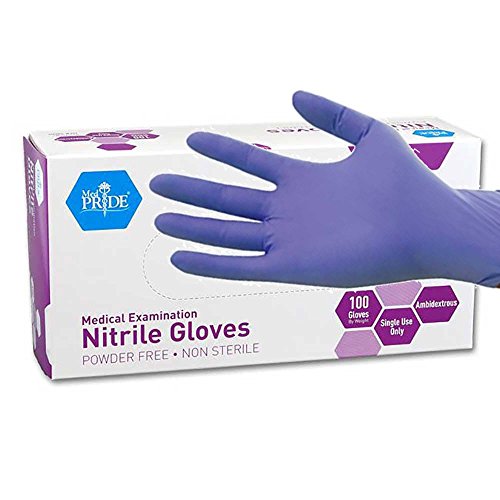
MedPride Powder-Free Nitrile Exam Gloves, Iris Blue, Medium, Box/100
$9.99 Check pricePrices change often


Safety
Common questions
Is standard resin or ABS-like resin better for beginners?
Standard resin is the cheaper starting point and is fine for miniatures and display models while a new printer owner is still tuning exposure settings. ABS-like resin costs more per kilogram but resists cracking and handling damage better, which is worth the extra cost once a beginner starts printing parts that get picked up and handled repeatedly rather than displayed on a shelf.
Do I need special gloves to handle 3D printer resin?
Yes. Uncured resin is a skin sensitiser, meaning repeated bare-skin contact can trigger an allergic reaction that worsens over time even without an immediate reaction the first time. Nitrile gloves are the standard protection whenever handling the vat, a freshly printed wet part, or resin-soaked tools, and hands should be washed after gloves come off.
Can I pour used isopropyl alcohol from cleaning resin down the drain?
No. Used IPA carries dissolved uncured resin once it has washed a print, and pouring that down a drain sends reactive resin into the wastewater system, where it can also solidify inside pipes. Let the used IPA sit in a sealed, labeled container in sunlight until the dissolved resin cures solid, then dispose of the solid waste following local hazardous waste guidance.
Why is my resin part still soft or tacky after washing it?
Washing in isopropyl alcohol only removes uncured resin from the surface; it does not finish curing the part itself. Most resins need a separate UV post-cure step after washing to reach their full stated hardness and clarity. A part that feels soft or slightly tacky straight out of the alcohol wash almost always needs more post-cure time, not a different resin.
Is more expensive resin always the better choice?
No, it depends on the part. A tough, functional resin priced at double the cost of standard resin is worth it for a jig, fixture or part under mechanical load, but that same cost is wasted on a miniature or display piece that will only ever sit on a shelf. Match the resin tier to what the finished part actually has to survive.