Kerf and tolerance in laser cutting
Quick answer
Kerf is the width of material the laser beam actually vaporizes as it cuts, and it is never zero: a design cut at exactly 100 mm wide comes out slightly narrower than 100 mm because material was removed along both edges of the line. Interlocking parts like box joints need that kerf width measured on a test cut and built into the design, since it typically runs a fraction of a millimeter and changes with spot size, speed and material.
That kerf exists and scales with power density and spot size is basic laser cutting physics. The specific pass-count and measurement guidance reflects common shop practice, not one manufacturer's published tolerance figure.
What is kerf, and why does it matter for parts that need to fit together?
Kerf is the width of the slot the beam actually cuts, which is always wider than a mathematical line and never zero. When a cutting line in your design software is one pixel wide, the real world result is a gap the width of the beam's effective cutting path, typically a fraction of a millimeter on a well-focused desktop laser.
This matters most for interlocking parts, like finger joints on a box or a slot that needs to hold a specific thickness of material snugly. If you cut a slot exactly the nominal width of the tab that needs to fit into it, the slot comes out wider than intended by the kerf on each side, and the tab comes out narrower than intended by the same amount, so the fit ends up loose. Designs meant to snap or press together need the kerf built in as a compensation, not treated as a rounding error.
What actually causes kerf width to vary?
Power density is the main driver: a smaller, more concentrated spot burns a narrower path than a larger, less concentrated one delivering the same total energy. Speed matters too, since a slower pass at the same power dwells longer at each point along the cut, spreading heat sideways into material that a faster pass would have already moved past. Material itself changes the result, since some materials char and burn wider than they are physically cut through, adding visible width beyond the beam's own path.
The number of passes also changes kerf. Multiple faster passes usually beat one slow pass: each pass clears debris and smoke out of the cut so the next pass reaches fresh material, keeping the kerf tighter and the edge cleaner. One slow pass instead dumps heat into the material for longer, which widens the kerf, chars the edge more heavily, and raises the risk of the material catching fire.
How does spot size set your minimum kerf?
Spot size follows the same formula regardless of laser type: 4 times the wavelength times the focal length, divided by pi times the beam diameter. A shorter focal length lens focuses to a smaller spot, and since kerf can never be meaningfully narrower than the beam's own focused width, a smaller spot sets a smaller theoretical floor for kerf width. In practice, char, material behavior and multiple passes usually add more width on top of that floor than the difference between lens choices does.
Why does plywood kerf change between sheets even with identical settings?
Plywood is built from thin veneers bonded with glue, and that internal glue layer is never perfectly even across a sheet or consistent from one manufactured batch to the next, even within the same product line. Denser or thicker glue lines absorb and conduct heat differently than the wood around them, which changes how wide the kerf runs and whether the beam fully clears through on the first pass. Settings and a kerf measurement from yesterday's sheet are a starting point on today's sheet, not a guarantee.
How do you actually measure your own kerf and dial in tolerance?
Cut a small test piece with a known design dimension, such as a square meant to be exactly 50 mm across, then measure the actual result with calipers. The difference between the intended and actual dimension, split across both edges, is your kerf for that material, thickness, speed and power combination. Many cutting software packages let you enter a kerf offset so the software automatically expands or shrinks cut paths to compensate, which is worth setting up once you have a reliable measurement for a material you cut often.
Why do faster passes give tighter, more repeatable tolerance than one slow pass?
A slow single pass spreads heat sideways into the material for longer at every point along the line, and that lateral heat spread is exactly what widens kerf beyond the beam's own focused width. Several faster passes at the same total energy remove material incrementally, each pass benefiting from the debris the previous pass already cleared, which keeps the heat-affected zone narrower and the resulting kerf closer to the beam's actual spot size. This also gives a more repeatable result sheet to sheet, since less total time is spent with heat concentrated in any one spot.
| Variable | Widens kerf | Keeps kerf tight |
|---|---|---|
| Spot size | Larger spot, longer focal length lens | Smaller spot, shorter focal length lens |
| Passes | One slow pass, heat dwells longer | Several faster passes, debris clears between passes |
| Speed | Slower speed at the same power | Faster speed matched with adequate power |
| Material | Materials that char or burn beyond the cut line | Clean-cutting materials like cast acrylic |
| Sheet variation | Uneven glue layers in plywood | Consistent, dense material |
Equipment mentioned here
- Kidde
Kidde Auto 5 Fire Extinguisher for Cars and Trucks, 5-B:C, M5G
$17.88 Check pricePrices change often - Kidde
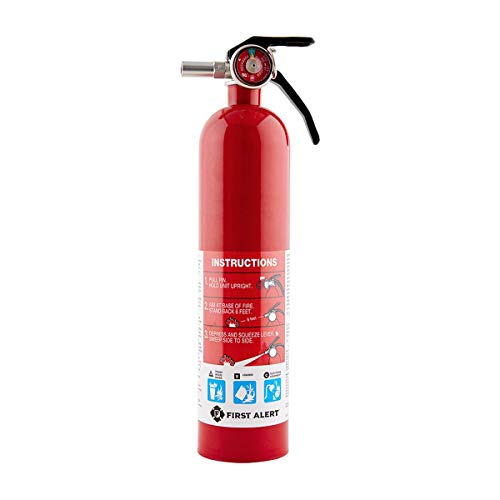
Kidde Basic 110 Fire Extinguisher for Home, 1-A:10-B:C, FA110G, 1 Pack
$19.97 Check pricePrices change often - Juexica
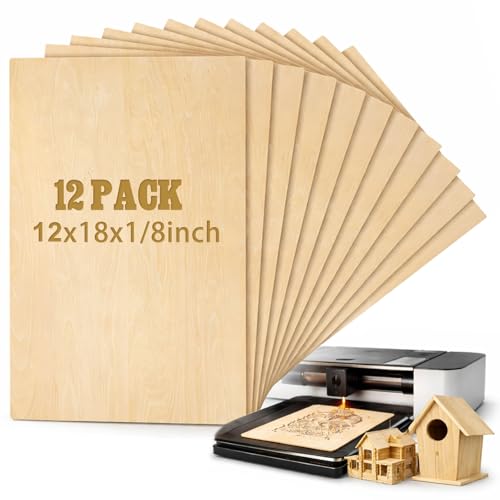
Juexica 12 Pcs 12" X 18"X 1/8" Basswood Plywood Sheets for Laser Cutting
$29.99 Check pricePrices change often




Safety
Common questions
What is kerf in laser cutting?
Kerf is the width of material the laser beam actually removes as it cuts along a line, which is always wider than the mathematical zero-width line drawn in design software. It typically runs a fraction of a millimeter on a well-focused desktop laser, but it varies with spot size, speed, material and pass count.
How do I compensate for kerf when designing a box joint?
Cut a test piece, measure the actual result against the intended dimension, and use half that difference as your kerf offset on each edge of your design. Many laser cutting software packages have a built-in kerf offset setting that automatically adjusts cut paths once you enter this measured value.
Why does my plywood kerf change between sheets from the same supplier?
Plywood is built from veneers bonded with glue, and that glue layer is never perfectly even across a sheet or consistent between manufacturing batches, even within the same product line. That unevenness changes how the material absorbs heat, which shifts kerf width even with identical machine settings.
Does a smaller spot size always mean a smaller kerf?
It sets a smaller theoretical floor, since kerf can never be narrower than the beam's own focused width, but in practice char, material behavior and pass count usually add more width on top of that floor than the difference between two reasonable lens choices does.
Why does one slow pass often cut worse than several fast ones?
A slow pass dwells longer at each point, spreading heat sideways into the material, which widens the kerf and chars the edge more heavily. Several faster passes at the same total energy clear debris between passes, keeping the heat-affected zone narrower, and they also lower the risk of the material catching fire from prolonged heat exposure.