Which materials you can and cannot laser
Quick answer
Wood, plywood, leather, cardboard, and black or colored cast acrylic all cut safely on a diode laser, while clear acrylic needs a CO2 laser because it is transparent to a diode's roughly 445 nanometer beam at any power. PVC and vinyl must never be lasered on any machine: cutting it releases chlorine gas, which forms hydrochloric acid that corrodes the machine and harms the operator.
Whether a material absorbs a given wavelength, and whether a material class releases hazardous gas when heated, are established chemistry and published safety data. Which specific SKUs perform well in practice draws on manufacturer material lists and common shop reporting.
What actually determines whether a material is safe to laser?
Two separate questions decide whether a material belongs under a laser. First, does it absorb the beam's wavelength well enough to cut or engrave, which is a performance question. Second, does heating it to vaporization release anything dangerous, which is a safety question, and the safety question always comes first. A material can cut beautifully and still be the wrong material to put under a laser if what comes off it is hazardous.
The most common failure is treating "it looks like leather" or "it looks like acrylic" as good enough identification. Many products that look identical to a safe material are a different polymer underneath, and the visual test alone is not reliable.
Which materials must never go under any laser, diode or CO2?
PVC and vinyl are the single most important material to rule out before every job. Lasering PVC releases chlorine gas, which combines with airborne moisture to form hydrochloric acid. That acid corrodes the inside of the machine over repeated exposure and is genuinely hazardous to breathe. Most cheap faux leather sold for craft use and most sign vinyl is PVC, so unlabeled sheet stock from an unknown source is a real risk, not a hypothetical one.
Polycarbonate, ABS and PTFE all give off hazardous fumes when lasered, even though none of them contain chlorine the way PVC does. Fibreglass and carbon fiber composite are also unsafe to laser, releasing hazardous fumes and fine particulate from the resin and fibers alike. None of these five materials have a safe power or speed setting. The problem is what they are, not how the machine is configured.
If I cannot identify a material, what should I do?
Do not cut it. There is no safe default material to fall back on when composition is unknown, and there is no visual or smell test reliable enough to substitute for actually knowing what a sheet is made of. If a listing does not clearly state the material, or a scrap piece has no identifying marks, treat it as unknown and set it aside rather than guessing.
Which materials cut well on a diode laser?
Wood and plywood are a diode laser's core strength, along with leather, cardboard and paper. Black and colored cast acrylic also cut well on a diode laser, because the pigment in the cast material absorbs the roughly 445 nanometer beam effectively. Clear acrylic is the one major exception: it is transparent at that wavelength, so a diode laser cannot cut it at any power, full stop. That is a property of the plastic, not a limitation that a more powerful diode module fixes.
Why does clear acrylic need a CO2 laser specifically?
A CO2 laser emits at 10.6 micrometers, a wavelength clear acrylic absorbs strongly rather than transmitting through. That absorption is what lets a CO2 laser cut clear acrylic cleanly, and it typically leaves a smooth, almost polished edge as the freshly cut plastic melts slightly under the heat of the pass. If clear acrylic is part of a project's material list, a diode laser is not a slower option, it is not an option at all.
Can a laser cut or mark metal?
A desktop CO2 laser will not cut or mark bare, uncoated metal. Bare metal reflects far infrared light and conducts heat away too quickly for a hobby-level tube to leave a mark, and marking it normally requires a coating applied to the surface first, a compound that absorbs the beam and bonds a mark into the metal underneath.
A diode laser can bleach the dye layer in anodized aluminum, which removes color from the anodized coating rather than cutting or engraving the metal underneath it. That is marking, not engraving, and it is the extent of what a diode laser does to metal.
| Material | Diode laser | CO2 laser | Note |
|---|---|---|---|
| Wood and plywood | Yes, a core strength | Yes, a core strength | Sheet-to-sheet variation is normal |
| Cast acrylic, black or colored | Yes | Yes | Pigment absorbs both wavelengths |
| Cast acrylic, clear | No, at any power | Yes, polished edge | Transparent at diode wavelength |
| Leather and cardboard | Yes | Yes | Confirm the material before cutting unlabeled stock |
| Slate | Yes, engraves | Yes, engraves | Not a cutting-through material |
| Anodized aluminum | Marks, bleaches dye only | Not a standard use | Marking, not engraving |
| Bare, uncoated metal | No | No, without a coating | Reflects the beam, conducts heat away |
| PVC and vinyl | NEVER | NEVER | Releases chlorine gas |
| Polycarbonate, ABS, PTFE | Avoid | Avoid | Releases hazardous fumes |
| Fibreglass and carbon fiber | Avoid | Avoid | Releases hazardous fumes and particulate |
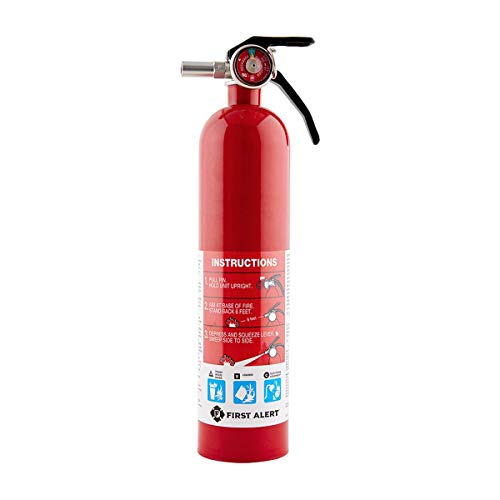
Equipment mentioned here
- Kidde
Kidde Auto 5 Fire Extinguisher for Cars and Trucks, 5-B:C, M5G
$17.88 Check pricePrices change often - Kidde
Kidde Basic 110 Fire Extinguisher for Home, 1-A:10-B:C, FA110G, 1 Pack
$19.97 Check pricePrices change often - OESDLTD
Thick 15 PCS 0.8mm Black Anodized Aluminum Metal Business Cards
$20.99 Check pricePrices change often




Safety
Common questions
Can I laser a sheet labeled "faux leather" or "pleather"?
Only if you can confirm what polymer it actually is. Most cheap faux leather sold for craft use is PVC, which releases chlorine gas when lasered and must never go under any laser. If the listing does not state the material composition clearly, treat it as unknown and do not cut it.
Is it safe to laser polycarbonate sheet?
No. Polycarbonate gives off hazardous fumes when lasered, in the same category of risk as ABS and PTFE. It is a common material for protective sheeting and machine guards, but that does not make it safe to cut or engrave with a laser.
Can I laser fiberglass or carbon fiber sheet?
No. Both fibreglass and carbon fiber composite release hazardous fumes and fine particulate when lasered, from the resin binder and the fibers themselves. Treat them the same as PVC and polycarbonate: not safe under any laser, regardless of power or speed settings.
What should I do if I am not sure what a material is made of?
Do not cut it. There is no safe default material and no reliable visual or smell test for identifying an unknown polymer. Set the piece aside until you can confirm its composition from a listing, a manufacturer spec sheet, or the original packaging.
Can a CO2 laser cut through sheet metal?
No. A desktop CO2 laser will not cut or mark bare, uncoated metal because the metal reflects far infrared light and conducts heat away too fast for a hobby-level tube to affect it. Marking metal with a CO2 laser normally needs a coating applied to the surface first.