The resin printing workflow, start to finish
Quick answer
A full resin print cycle runs through five stages in order: prepare and pour resin, print, drain and wash in isopropyl alcohol, cure under UV light, and dispose of waste IPA and support material safely; a wash and cure station, such as the ANYCUBIC Wash and Cure 3 ($89.99), handles the two middle stages in one machine.
Resin density and support volume figures come from manufacturer and community-published data; the sensitization and IPA disposal guidance reflects standard safety-data-sheet practice for photopolymer resin, not a single regulatory standard.
What actually happens during each stage of a resin print?
Resin printing is a five-stage cycle: preparing the vat and slicing the model with supports, running the print itself, washing the still-tacky part in isopropyl alcohol to remove uncured resin, curing the washed part under UV light to reach full hardness, and finally disposing of the used IPA and waste resin correctly. Skipping or rushing any one stage produces a part that looks finished but is not actually safe to handle or structurally sound.
Unlike FDM printing, where a finished print is done the moment it comes off the plate, a resin print is not actually finished until it has been washed and cured. A part straight off the build plate is still coated in and saturated with uncured resin.
How much resin do supports actually cost me on an angled print?
Supports typically add 30 to 60 percent of model volume on angled resin prints, which means the resin bill for a support-heavy print can be nearly double the part itself. Orienting a model to minimize overhangs, or accepting a slightly rougher surface on a low-visibility face in exchange for fewer supports, meaningfully cuts resin cost on repeated prints.
Because resin is sold by weight and volume differently across vendors, this support overhead is worth accounting for before you commit to a print orientation, not after the vat is already full.
Why is a millilitre of resin not the same as a gram?
Resin density is about 1.1 g/cm3, so 100 mL of resin weighs roughly 110 g, not 100 g. Some vendors price resin by the litre and others by the kilogram, and comparing prices directly without converting both to the same unit, such as price per kilogram, will make one option look cheaper than it actually is.
This matters most when a slicer reports the model and supports in milliliters but the bottle on your shelf is priced by weight; convert one to the other before assuming you know the real cost per print.
What should I actually do before I even open the resin bottle?
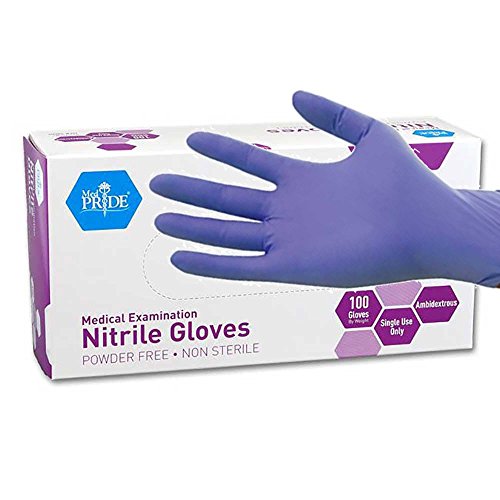
Put on nitrile gloves before opening the bottle, not after resin has already touched your skin. Uncured resin is a skin sensitiser, meaning the reaction it causes builds up with repeated exposure over months, and once a person becomes sensitized the reaction can persist permanently and end their ability to work with resin at all. The goal is to keep resin off skin in the first place, not to wash it off quickly after contact.
Make sure the room has real ventilation, since resin off-gasses while curing, and have a lint-free cover or a lid ready for the vat when the printer is not actively running, which limits both fume exposure and unwanted curing from ambient light.
What happens after the print finishes, before it ever touches wash fluid?
Let the part drain over the vat for a few minutes before moving it, since resin still clinging to the part will otherwise drip onto your work surface and gloves. Remove the build plate with gloved hands only, and use a scraper rather than fingers to release the part.
From here the part moves directly into the wash stage; do not set an uncured part down on a bare surface or touch it barehanded, since it is still fully coated in uncured, sensitizing resin at this point.
What is the right way to deal with the resin-contaminated IPA once I am done washing?
Used isopropyl alcohol from washing resin prints is not a drain matter. Pouring it down a drain sends dissolved uncured resin into the wastewater system, where it does not belong. Instead, leave the used IPA in a clear, sealed container under sunlight or a UV light source until the dissolved resin cures and separates out as solid material.
Once cured, filter out the solid resin, let it fully harden, and dispose of it as solid waste. The now-cleaner IPA can typically be reused for another wash cycle or two before it needs replacing.
| Stage | What happens | Key equipment |
|---|---|---|
| Prepare | Slice with supports, pour resin, glove up | Nitrile gloves |
| Layers cure under UV LCD light | Resin 3D printer | |
| Wash | Remove uncured resin from the surface | Isopropyl alcohol, wash station |
| Cure | UV exposure hardens the part fully | Cure station or UV lamp |
| Dispose | Settle and cure waste IPA before discarding | Clear container, sunlight or UV |
Equipment mentioned here
- Supmedic
Supmedic Soft Max Medical Nitrile Exam Gloves Powder-Free Blue 100 Pcs (L)
$8.98 Check pricePrices change often - MED PRIDE
MedPride Powder-Free Nitrile Exam Gloves, Iris Blue, Medium, Box/100
$9.99 Check pricePrices change often


Safety
Common questions
Do I really need gloves for every stage, or just the messy parts?
Every stage from opening the bottle through handling the washed-but-uncured part involves contact risk with uncured resin, so gloves should stay on throughout. Sensitization builds up from repeated small exposures over months, so treating only the obviously messy steps as gloved-hand work leaves gaps where exposure still adds up.
Can I pour leftover resin back into the bottle after a print?
Many resins can be filtered and poured back into the original bottle, but check the manufacturer instructions first since some formulations degrade with repeated light exposure during handling. Always filter out any cured chunks before returning resin to storage to avoid contaminating the whole bottle.
How long does used IPA actually take to clear under sunlight?
It depends on sunlight intensity, container clarity and how much resin is dissolved in the IPA, ranging from part of a day in strong direct sun to several days in weaker light. Check periodically for visible solid resin settling out; once it stops changing, the cycle is complete and the solids can be filtered out.
Is it safe to wash resin parts in the same sink I use for dishes?
No. Washing resin parts anywhere near food-contact surfaces risks cross-contamination with a chemical that is a known skin sensitiser. Use a dedicated wash station or a container set aside only for resin work, kept away from kitchen sinks and food prep areas entirely.
What is the actual difference between a wash and cure station and doing it by hand?
A combined wash and cure station automates agitation during the IPA wash and provides a controlled UV chamber for curing, giving more consistent results than hand-swirling a part in a jar and setting it in a window. It also reduces direct hand contact time with the uncured part compared to manual washing, which lowers cumulative skin exposure.